
Blog
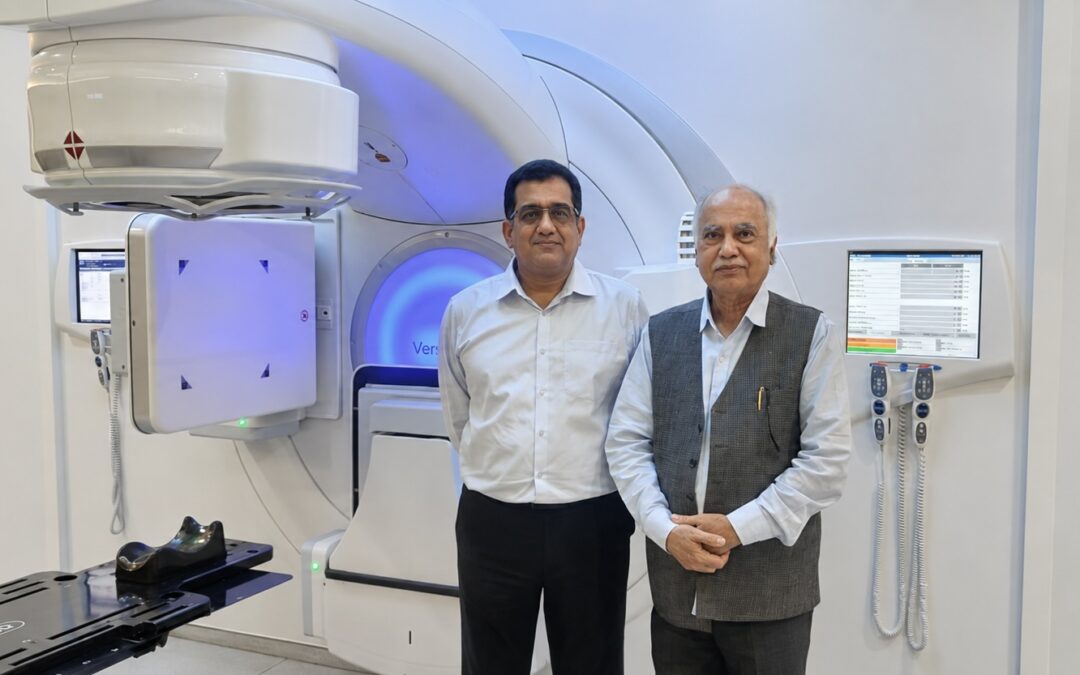
The Resilient Doctor
Dr. Prithvi Raj Jampana is a distinguished radiation oncologist with extensive experience in radiotherapy and systemic treatments for a wide range of cancers. He trained in clinical oncology at Oxford University Hospitals and worked in the UK for over two decades before returning to India. He is now Consultant and Head of Radiation Oncology at...

AI, Stories and the Mind
I have been reading an English translation of the Kathasaritsagara—The Ocean of the Streams of Stories—composed in Sanskrit by Somadeva, a Kashmiri writer of the eleventh century. Organised into eighteen books, it is less a conventional book than an immense reservoir of narratives. Stories arise from within other stories, branch into still...
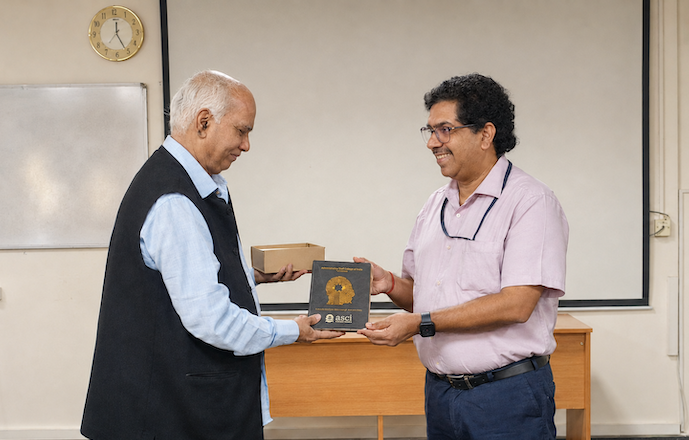
The Wellness Dividend
One teaching of Dr. A.P.J. Abdul Kalam that I have always tried to follow is to ‘stay in circulation’, as he put it. By this, he did not merely mean travelling, attending meetings or remaining publicly visible. He meant keeping the mind in motion—meeting people, visiting institutions, listening to new ideas and allowing one’s own convictions to...
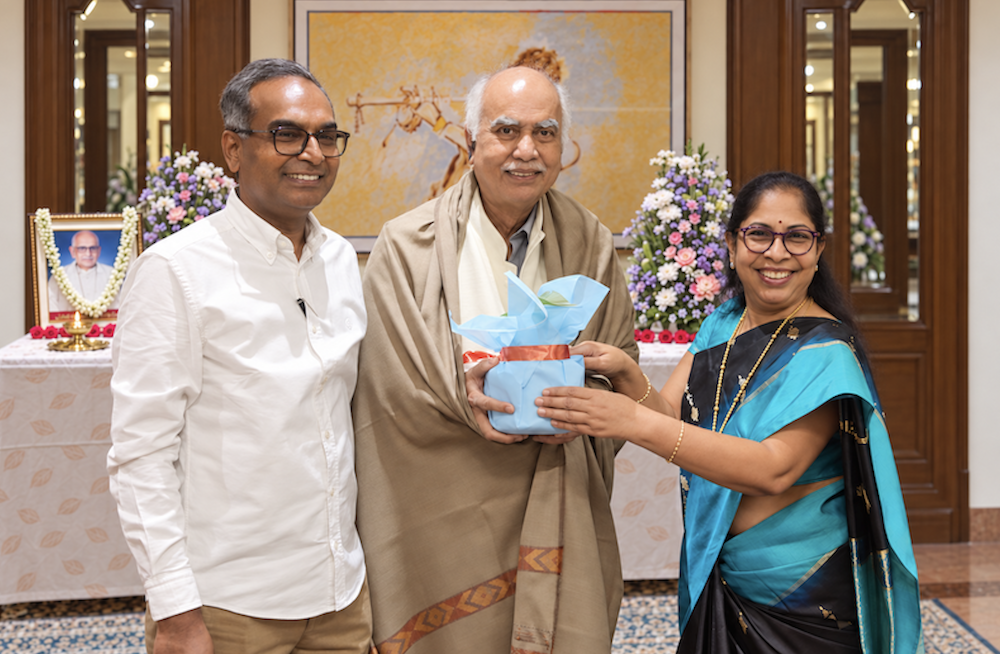
A Teacher’s Legacy
Every year on September 5, India celebrates Teachers’ Day in memory of Dr. Sarvepalli Radhakrishnan (1888–1975), one of modern India’s most distinguished philosophers, teachers and statesmen. His life demonstrated that scholarship need not remain confined to the classroom; at its best, it can illuminate public life and guide a nation. Dr....
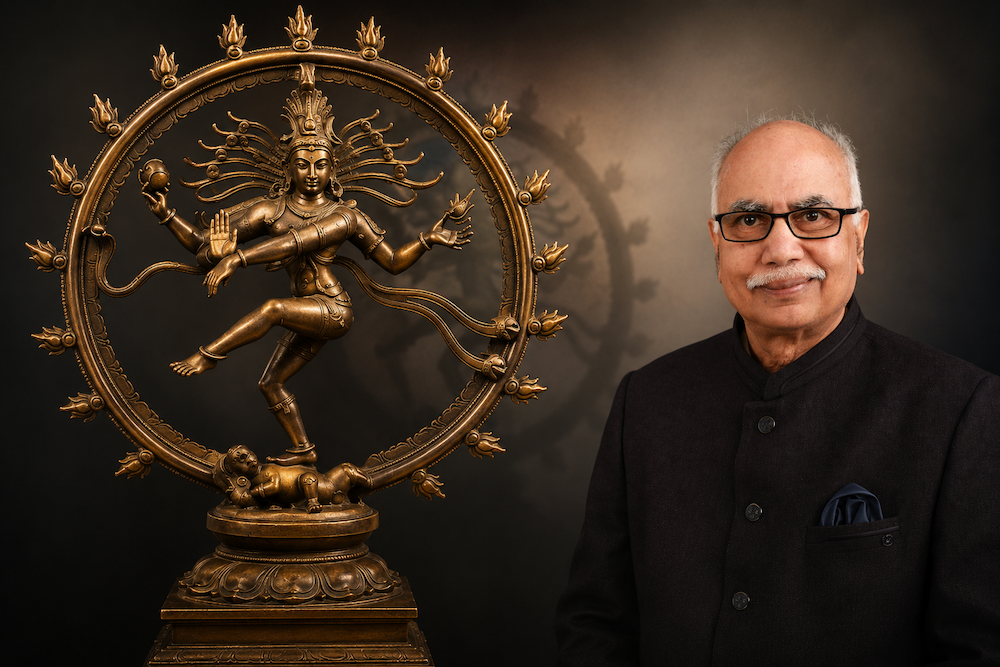
Nataraja: Metallurgy in Motion
Among the great images created by Indian civilisation, few possess the visual authority of the Chola Nataraja. Shiva dances within a circle of flame, one foot planted upon ignorance and the other lifted in liberating grace. His hair flies outward, his arms extend in several directions, yet his face remains serenely composed. Motion and stillness,...
Beyond the Molecule
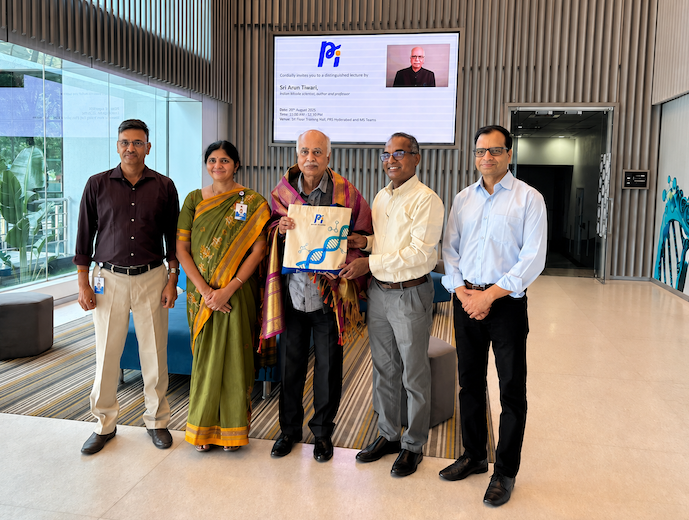
I recently visited PI Health Sciences Ltd. at Genome Valley, Hyderabad, at the invitation of my long-standing friend, Dr. S. Chandrasekhar, who joined the organisation as Chief Scientific Advisor after his superannuation as Secretary, Department of Science and Technology, Government of India. Given the freedom to choose my subject, I decided to...

Salt, Spice and Time
Recently, I had the pleasure of attending a family dinner hosted by Vishal Arora, a young CEO and a friend of my son Amol. His wife’s parents were also present. Although they all come from New Delhi, they seemed to carry with them something of the city’s older culture—refinement in living, warmth in social relationships and a deep appreciation of...
Aggregating Compassion
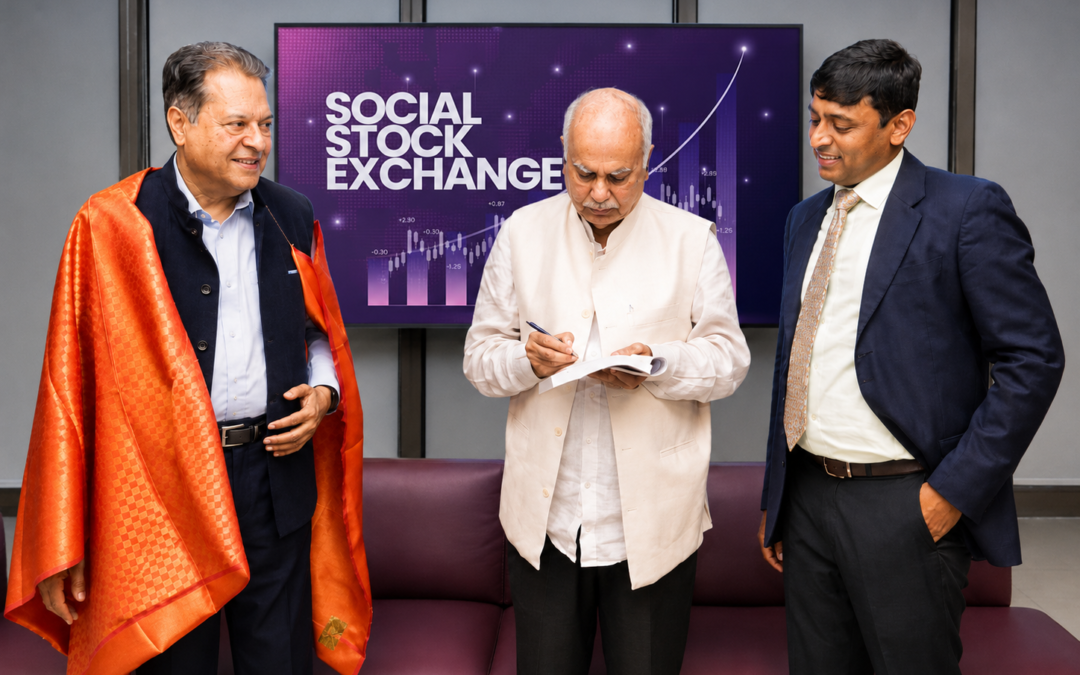
A recent knowledge-sharing session titled CSR Meets the Social Stock Exchange: A Journey Ahead, organised by Equippp Social Impact Technologies Limited (EQUIPPP) and held at Yashoda Hospitals, Hyderabad, recently introduced me to Dr. Bhaskar Chatterjee, a veteran IAS officer, who played a pioneering role in shaping India’s Corporate Social...

Tea and the Art of Being
Recently, my son Amol brought me Ceylon tea from Sri Lanka, and my biomedical engineering pupil, Deepti Sai Prasad, presented me with an elegant Queen Elizabeth box of tea bags she brought from London. They could hardly have chosen a gift that would have delighted me more. I love tea. Whenever I am asked, "Tea or coffee?", my answer comes without...
The Board, the Bot and the Mathematician
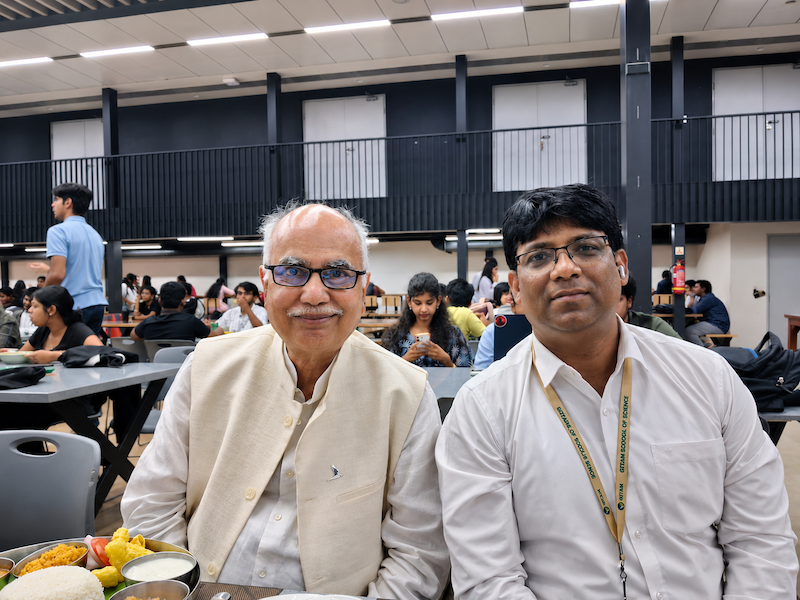
I was invited to address nearly 500 students during their first week at GITAM University in Hyderabad. I was hosted by Dr. Motahar Reza, Director of the GITAM School of Science. A native of Murshidabad in West Bengal, Dr. Reza trained at IIT Kharagpur, worked across computational fluid mechanics, machine learning and data science, and joined...